
Blog
Health Benefits and Nutritional Value of Glutinous Rice


Glutinous rice, also known as sticky rice or sweet rice, is a staple ingredient in many Asian cuisines. It has a unique sticky texture and sweet flavor that sets it apart from regular rice varieties. In this comprehensive overview, we will explore the culinary versatility of glutinous rice, its traditional use in Vietnamese cuisine, health benefits, cultivation and production methods, historical significance, cultural impact, modern applications, comparative analysis of different varieties, and emerging trends and innovations. Join us on a journey to discover the world of glutinous rice and its place in the global gastronomic landscape.
The Culinary Versatility of Glutinous Rice
Traditional Dishes and Desserts
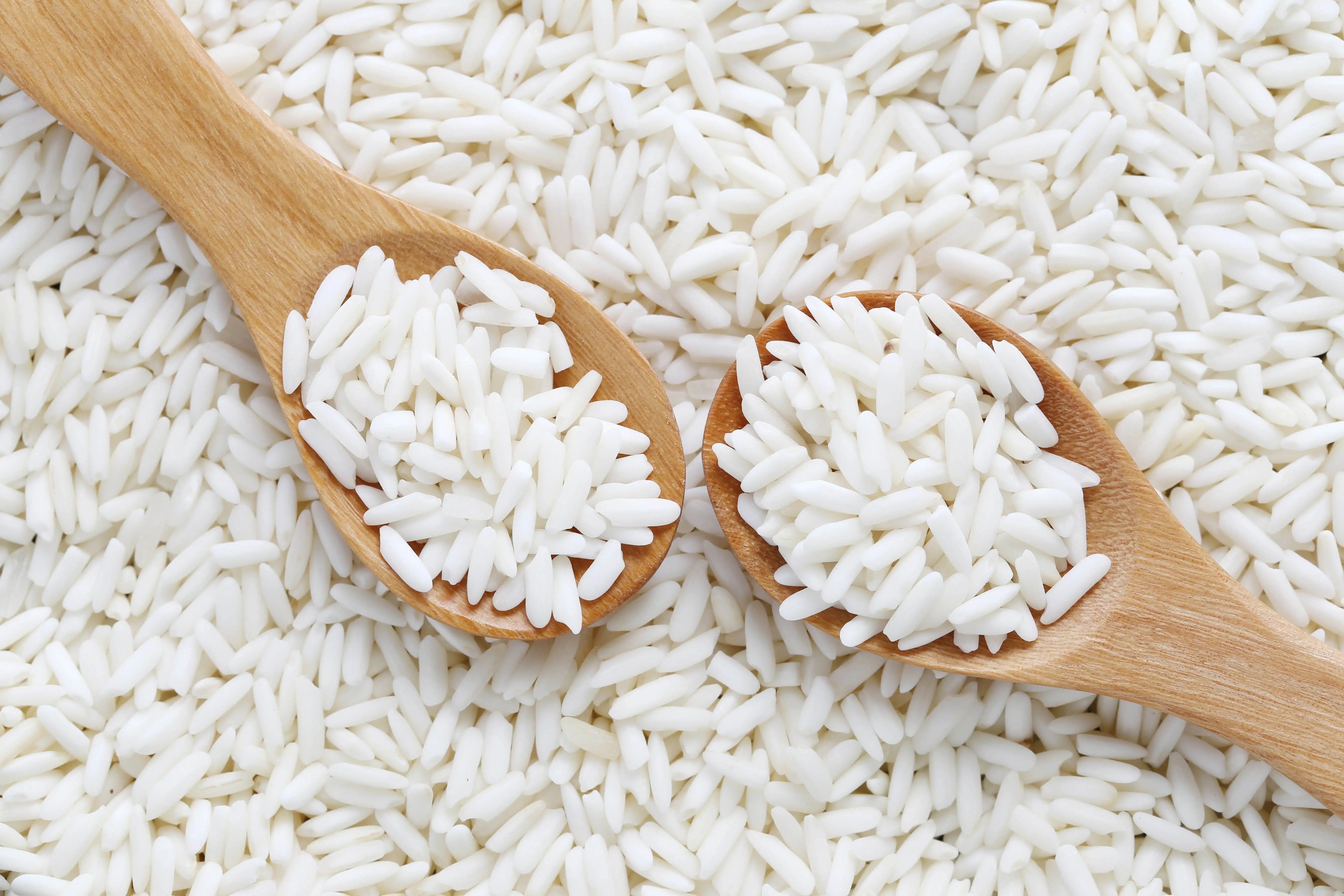
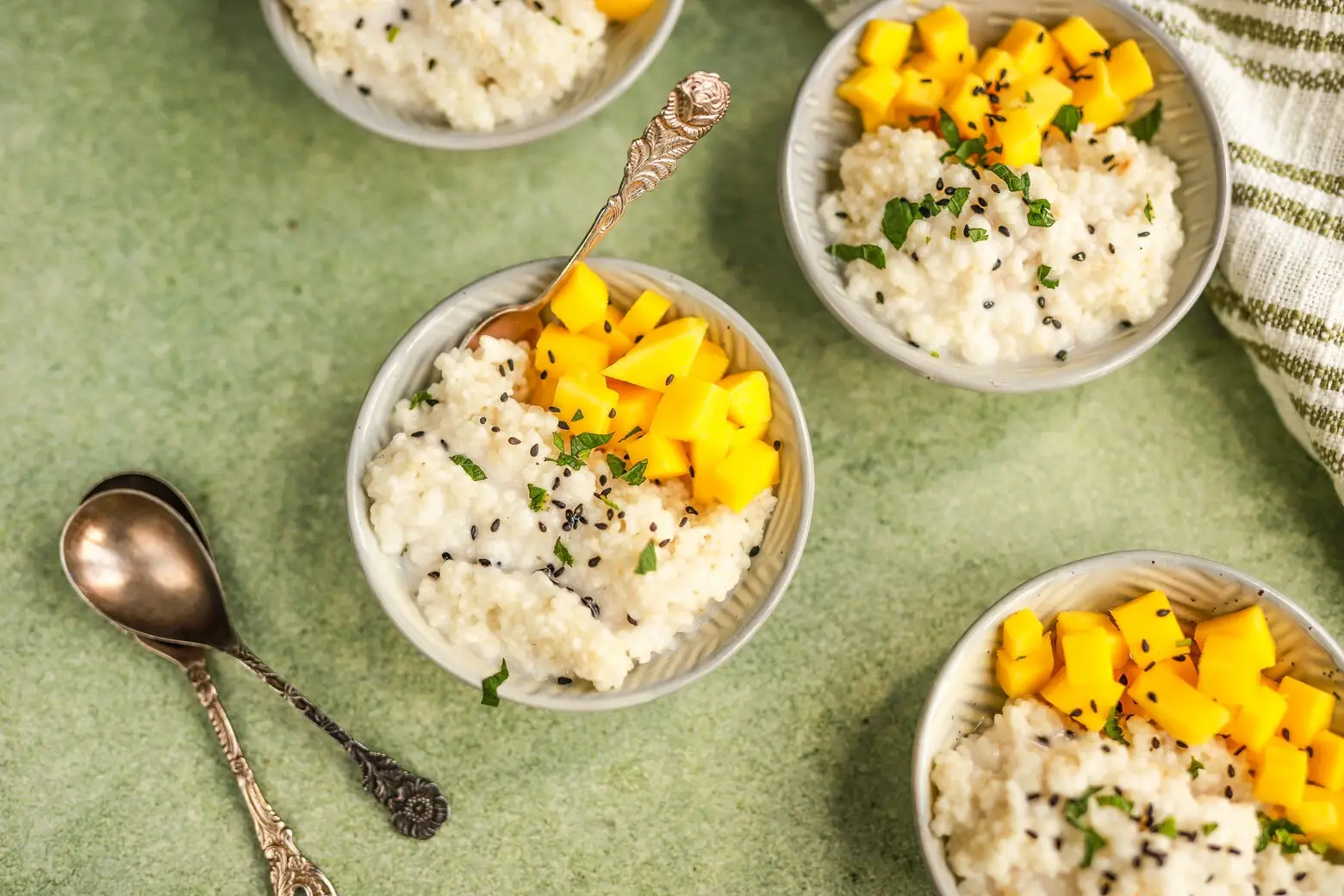
Glutinous rice is a versatile ingredient that can be used in both savory dishes and desserts. In many Asian countries, glutinous rice is a staple food that is enjoyed in various forms. In Thailand, sticky rice is often steamed and served with mango for a popular dessert known as “khao niew mamuang.” In Japan, glutinous rice is used to make mochi, a chewy rice cake that is enjoyed during New Year celebrations and other special occasions.
In addition to desserts, glutinous rice is also used in savory dishes such as zongzi in China, where sticky rice is stuffed with fillings such as pork, mushrooms, and chestnuts, then wrapped in bamboo leaves and steamed. In Vietnam, glutinous rice is used to make xoi, a sticky rice dish that can be served plain or topped with savory ingredients like shredded chicken, fried shallots, or mung bean paste.
Street Food and Snacks
Glutinous rice is a popular ingredient in street food and snacks across Asia. In Malaysia, pulut panggang is a grilled sticky rice parcel filled with a savory mixture of grated coconut, dried shrimp, and spices. In Korea, tteokbokki is a spicy rice cake dish made with cylindrical rice cakes that have a chewy texture similar to glutinous rice.
In Vietnam, banh gio is a steamed rice cake made with glutinous rice flour and filled with minced pork, wood ear mushrooms, and shallots. These savory rice cakes are often enjoyed as a quick breakfast or snack on the go. Glutinous rice is also used to make crispy rice crackers in Thailand, which are seasoned with salt and sometimes chili powder for a crunchy and flavorful snack.
Beverages and Alcoholic Drinks
Glutinous rice is not only used in food but also in beverages and alcoholic drinks. In China, fermented glutinous rice wine, known as jiuniang, is a sweet and aromatic drink that is often served during festivals and celebrations. This traditional rice wine is made by fermenting cooked glutinous rice with yeast and water, resulting in a slightly alcoholic beverage with a distinctive flavor.
In Vietnam, che troi nuoc is a popular dessert soup made with glutinous rice balls filled with mung bean paste and served in a sweet ginger syrup. This warm and comforting dessert is often enjoyed during the colder months and is believed to have medicinal properties. Glutinous rice flour is also used to make boba pearls for bubble tea, adding a chewy texture to the popular drink.
Glutinous Rice in Vietnamese Cuisine: Tradition and Innovation
Traditional Vietnamese Dishes
In Vietnamese cuisine, glutinous rice plays a significant role in both traditional dishes and festive celebrations. Xoi, or sticky rice, is a staple dish that is enjoyed throughout the day, from breakfast to dinner. Plain xoi is often served with savory toppings such as shredded chicken, Chinese sausage, or fried shallots, while sweet xoi can be flavored with coconut milk, sugar, or mung bean paste.
Banh chung and banh tet are two iconic Vietnamese dishes made with glutinous rice that are traditionally enjoyed during Tet, the Vietnamese Lunar New Year. Banh chung is a square-shaped rice cake filled with mung beans and pork, wrapped in banana leaves and boiled for hours until the rice becomes soft and sticky. Banh tet is a cylindrical version of banh chung that is often filled with different ingredients such as bananas, coconut, or even durian.
Fusion Cuisine and Modern Interpretations
In recent years, Vietnamese chefs and home cooks have been experimenting with new ways to incorporate glutinous rice into their dishes, blending traditional flavors with modern techniques. Chefs are using glutinous rice flour to make gluten-free noodles for dishes like pho or stir-fried noodles, offering a healthier alternative for those with dietary restrictions.
Sticky rice is also being used in fusion desserts such as sticky rice ice cream, where the chewy texture of glutinous rice complements the creamy sweetness of the ice cream. Chefs are also incorporating glutinous rice into savory dishes like risotto or sushi, creating unique flavor combinations that appeal to a global audience.
Regional Variations and Specialties
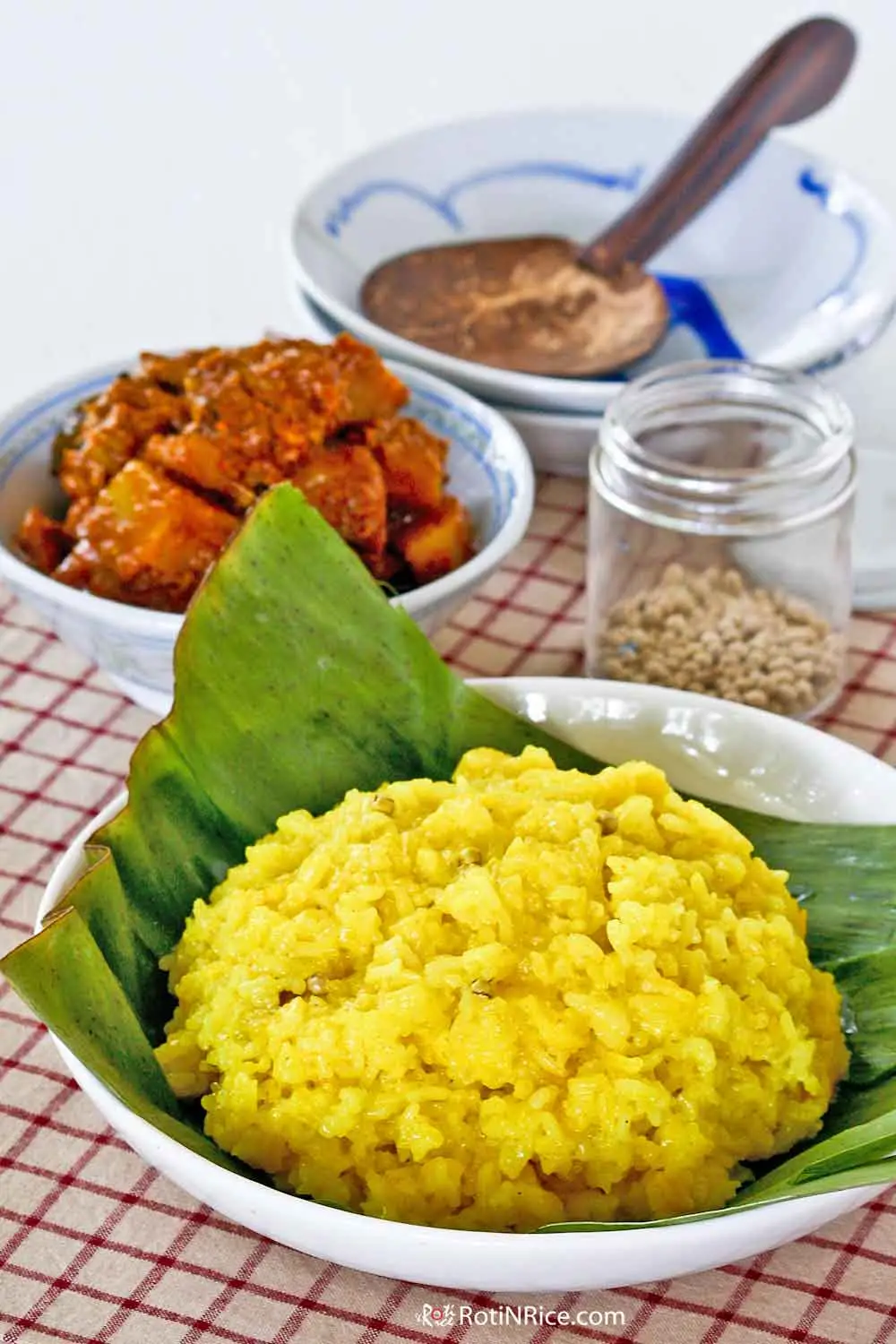
Each region of Vietnam has its own unique way of preparing glutinous rice dishes, reflecting the diverse culinary traditions and local ingredients. In the northern region, xoi xeo is a popular dish made with sticky rice that is colored yellow with turmeric and topped with mung bean paste, fried onions, and shredded chicken. This savory sticky rice dish is often enjoyed for breakfast or as a snack.
In the central region, banh it ram is a specialty dish made with glutinous rice flour dough that is filled with a savory mixture of shrimp, pork, and wood ear mushrooms, then deep-fried until crispy. This crunchy and flavorful snack is often served with a dipping sauce made with fish sauce, lime juice, and chili. In the southern region, xoi gac is a festive dish made with glutinous rice that is colored red with gac fruit oil and topped with shredded coconut, sesame seeds, and peanuts. This sweet sticky rice dish is often served during weddings and other special occasions.
Health Benefits and Nutritional Value of Glutinous Rice
Nutrient Profile
Glutinous rice is a good source of carbohydrates, providing energy for the body to fuel daily activities. It also contains small amounts of protein and fiber, which are essential for muscle growth and digestion. Glutinous rice is low in fat and cholesterol, making it a heart-healthy option for those looking to maintain a balanced diet.
In terms of micronutrients, glutinous rice contains vitamins and minerals such as niacin, thiamine, magnesium, and zinc. These nutrients play a crucial role in supporting overall health and well-being, helping the body function properly and prevent deficiencies. Glutinous rice is also gluten-free, making it suitable for individuals with celiac disease or gluten sensitivity.
Digestibility and Blood Sugar Control
One of the key benefits of glutinous rice is its high digestibility, which means that the body can break down and absorb the nutrients more easily compared to other types of rice. This makes glutinous rice a good option for individuals with digestive issues or sensitive stomachs, as it is less likely to cause bloating or discomfort after consumption.
Glutinous rice also has a lower glycemic index compared to white rice, which means that it causes a slower and more gradual increase in blood sugar levels after eating. This can help regulate blood sugar control and prevent spikes and crashes in energy levels throughout the day. For individuals with diabetes or insulin resistance, choosing glutinous rice over other high-glycemic foods may help manage blood sugar levels more effectively.
Dietary Fiber and Gut Health
While glutinous rice is lower in fiber compared to brown rice or whole grains, it still contains some dietary fiber that can support gut health and digestion. Fiber helps promote regular bowel movements, prevent constipation, and feed beneficial bacteria in the gut microbiome. Including glutinous rice in a balanced diet rich in fruits, vegetables, and whole grains can contribute to a healthy digestive system and overall well-being.
In addition to fiber, glutinous rice also contains resistant starch, a type of carbohydrate that resists digestion in the small intestine and acts as a prebiotic for gut bacteria. Resistant starch has been linked to various health benefits, including improved insulin sensitivity, reduced inflammation, and enhanced satiety. Consuming glutinous rice as part of a varied and nutrient-dense diet can support a healthy gut microbiome and promote optimal digestion.
Cultivation and Production of Glutinous Rice: A Journey from Paddies to Plate
Growing Conditions and Harvesting
Glutinous rice is cultivated in regions with warm and humid climates, such as Southeast Asia, East Asia, and parts of South Asia. The rice paddies where glutinous rice is grown require standing water for irrigation and flooded conditions to thrive. Farmers plant glutinous rice seeds in prepared fields and carefully monitor the water levels to ensure proper growth and development.
The growing season for glutinous rice typically lasts around 3-6 months, depending on the variety and local climate conditions. During this time, farmers must tend to the rice paddies by removing weeds, applying fertilizers, and protecting the crops from pests and diseases. When the rice plants reach maturity, they are ready for harvest, which involves cutting the stalks and collecting the rice grains for processing.
Processing and Milling
After the glutinous rice grains are harvested, they undergo a series of processing steps to remove the husk, bran, and germ layers before they are ready for consumption. The rice grains are first dried to reduce moisture content and improve storage stability. Once dried, the grains are threshed to separate the rice kernels from the stalks and chaff.
Next, the rice grains are milled to remove the outer layers and produce polished white glutinous rice. The milling process may vary depending on the desired final product, whether it is whole grain glutinous rice, glutinous rice flour, or glutinous rice flakes. The milled rice is then sorted, graded, and packaged for distribution to markets, restaurants, and consumers around the world.
Sustainable Farming Practices
As consumer demand for sustainable and environmentally friendly products grows, rice farmers are exploring new methods and technologies to reduce their environmental impact and promote biodiversity in rice paddies. Sustainable farming practices such as integrated pest management, crop rotation, and water-saving irrigation techniques can help conserve natural resources and protect the ecosystem.
Some farmers are also transitioning to organic farming methods to eliminate the use of synthetic pesticides and fertilizers, opting for natural alternatives to control pests and enhance soil fertility. By adopting sustainable farming practices, rice growers can improve soil health, reduce greenhouse gas emissions, and support wildlife habitats in and around rice paddies. These efforts contribute to the long-term viability of glutinous rice production and ensure a healthy environment for future generations.
Historical Significance and Cultural Impact of Glutinous Rice
Ancient Origins and Rituals
Glutinous rice has a long history dating back thousands of years, with archaeological evidence suggesting that rice cultivation began in Asia around 10,000 BC. In ancient China, glutinous rice was considered a sacred grain that symbolized prosperity, abundance, and fertility. It was often used in religious ceremonies, ancestral offerings, and imperial feasts to honor deities and ancestors.
In Southeast Asia, glutinous rice played a central role in traditional rituals and festivals, such as weddings, funerals, and harvest celebrations. Sticky rice was believed to possess magical properties that could ward off evil spirits, bring good luck, and ensure a bountiful harvest. People would offer glutinous rice to the gods and spirits as a sign of respect and gratitude for their blessings.
Culinary Traditions and Festive Foods
Throughout history, glutinous rice has been a staple food in many cultures and cuisines, serving as a source of sustenance and cultural identity. In Vietnam, sticky rice is a symbol of family unity and prosperity, often shared during important occasions like weddings, birthdays, and Tet celebrations. Families would gather around a steaming pot of xoi to enjoy the fragrant aroma and sticky texture of the rice together.
In China, glutinous rice is used to make zongzi, a traditional rice dumpling wrapped in bamboo leaves and filled with savory ingredients. Zongzi is enjoyed during the Dragon Boat Festival, a holiday that commemorates the poet Qu Yuan and his sacrifice to protect his homeland. Eating zongzi is believed to bring good fortune and protect against evil spirits during the festival.
Folklore and Superstitions
Glutinous rice is surrounded by folklore, superstitions, and cultural beliefs that reflect the deep-rooted significance of this humble grain in Asian societies. In Thailand, sticky rice is often associated with fertility and abundance, with couples offering sticky rice to monks as a blessing for a happy marriage and healthy children. Sticky rice is also used in traditional Thai weddings to symbolize the binding of two families through the sharing of a common meal.
In Vietnam, glutinous rice is believed to bring good luck and prosperity when eaten on special occasions like Tet or weddings. Families would prepare elaborate dishes made with sticky rice to show respect for their ancestors and express gratitude for the blessings they have received. The act of sharing glutinous rice with loved ones is a gesture of generosity and hospitality that transcends cultural boundaries and unites people in celebration.
Glutinous Rice as a Symbol of Abundance and Prosperity
Cultural Significance and Social Customs
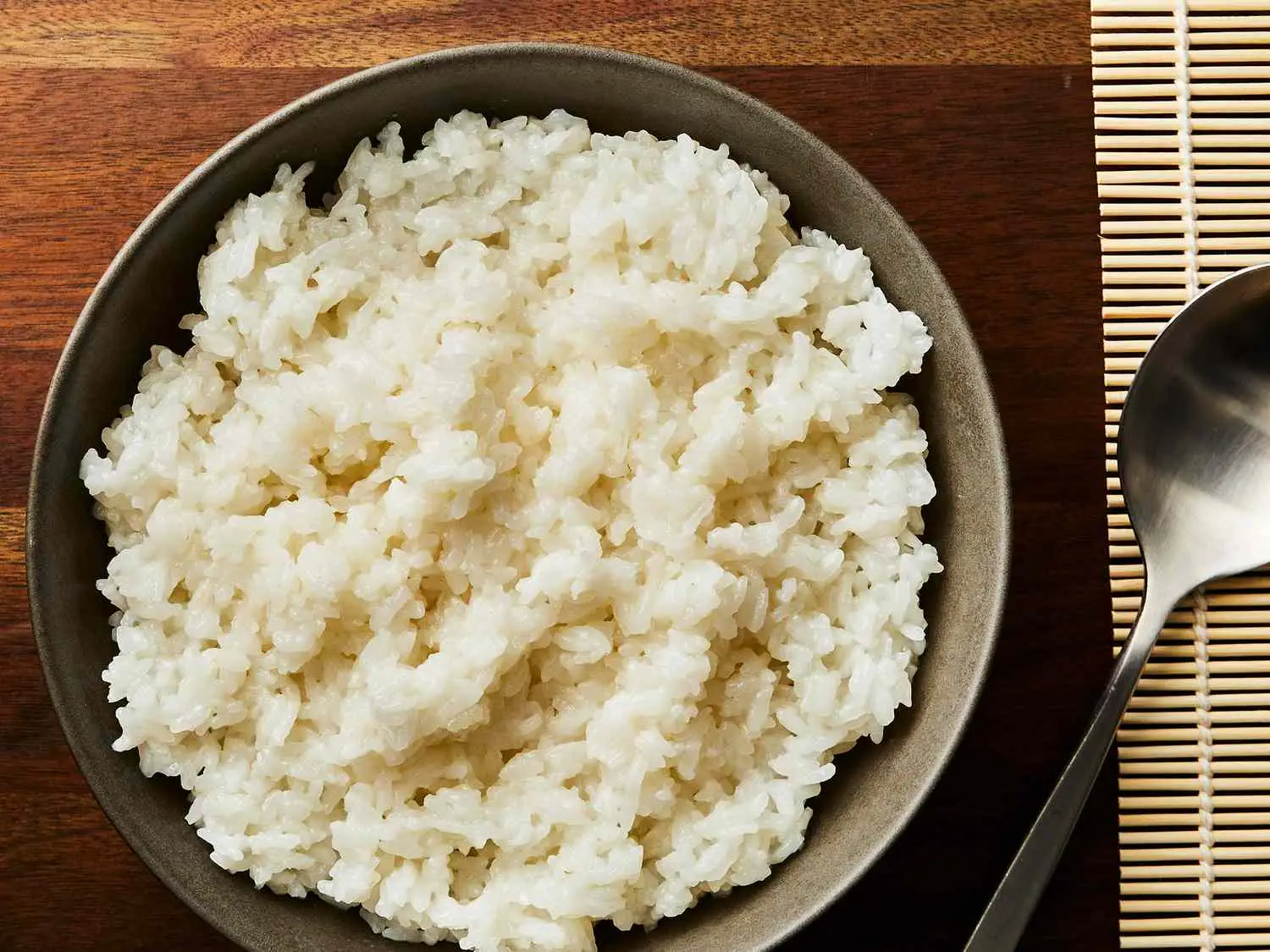
In many Asian cultures, glutinous rice is revered as a symbol of abundance, prosperity, and good fortune. Its sticky texture and sweet flavor represent unity, cohesion, and harmony within families and communities. Sharing glutinous rice with others is a gesture of generosity and goodwill that fosters strong bonds and mutual respect among individuals.
During festive occasions and special events, glutinous rice takes center stage as a symbolic dish that embodies the spirit of togetherness and gratitude. Families gather around a table laden with steaming pots of xoi, banh chung, or zongzi to celebrate the blessings of the past year and usher in a new cycle of prosperity and happiness. The act of sharing a meal made with glutinous rice is a time-honored tradition that transcends language barriers and cultural differences, bringing people together in a spirit of joy and abundance.
Rituals and Ceremonies
Glutinous rice is often used in traditional rituals and ceremonies to mark significant life events and milestones. In Laos, khao tom is a ritual offering of sticky rice balls that is presented to monks during Buddhist almsgiving ceremonies. The act of giving khao tom is a way to accumulate merit and seek blessings for the deceased, as well as to honor the memory of loved ones who have passed away.
In Cambodia, num ansom chrouk is a ceremonial dish made with glutinous rice, pork, and coconut that is offered to ancestors during Pchum Ben, a festival dedicated to honoring the dead. Families prepare num ansom chrouk as a gesture of respect and remembrance for their ancestors, believing that the offering will bring peace and prosperity to their spirits in the afterlife.
Symbolism and Tradition
Glutinous rice is deeply ingrained in the cultural fabric of Asian societies, representing values of unity, resilience, and community spirit. Its sticky nature symbolizes the bonds that tie families and friends together, creating a sense of belonging and solidarity that transcends generations. The tradition of cooking and sharing glutinous rice dishes is a way to preserve cultural heritage and pass down ancestral wisdom to future generations.
In Vietnamese folklore, the legend of Banh Chung and Banh Day tells the story of two princes who competed to create a dish that would impress their father, the king, and inherit the throne. Banh Chung, made with glutinous rice, mung beans, and pork, symbolizes the earth and is associated with the Lunar New Year, while Banh Day, made with non-glutinous rice, represents the sky and is linked to the spring festival. This mythological tale highlights the importance of glutinous rice in Vietnamese culture and its enduring legacy as a symbol of prosperity and tradition.
Modern Applications of Glutinous Rice in Gastronomy and Beyond
Culinary Innovation and Creative Uses
In recent years, chefs and food enthusiasts have been exploring new ways to incorporate glutinous rice into innovative dishes and recipes that push the boundaries of traditional cuisine. From glutinous rice flour pancakes to sticky rice sushi rolls, the possibilities are endless when it comes to reimagining classic dishes with a modern twist. Chefs are experimenting with different cooking techniques, flavor combinations, and presentation styles to showcase the versatility of glutinous rice in contemporary gastronomy.
Glutinous rice is also being used in gluten-free baking as a substitute for wheat flour in cakes, cookies, and bread. Its sticky texture and mild flavor make it an ideal ingredient for creating moist and tender baked goods that are suitable for individuals with gluten sensitivities or allergies. By harnessing the unique properties of glutinous rice, bakers can unlock a world of creative possibilities and cater to a diverse range of dietary preferences.
Artisanal Products and Specialty Items
Artisans and food producers are crafting high-quality glutinous rice products that highlight the natural flavors and textures of this unique ingredient. From handcrafted rice cakes to artisanal rice wines, these specialty items offer a taste of tradition and craftsmanship that is deeply rooted in cultural heritage. By sourcing premium glutinous rice varieties and using traditional production methods, artisans are able to create authentic and distinctive products that appeal to discerning consumers seeking authentic flavors and experiences.
Glutinous rice is also being used in non-traditional ways to create gourmet dishes and luxury food items that cater to a sophisticated palate. Chefs are incorporating glutinous rice into haute cuisine menus, pairing it with premium ingredients such as truffles, foie gras, and caviar to elevate the dining experience and create unique flavor profiles. By blending tradition with innovation, chefs are able to showcase the versatility of glutinous rice in unexpected and exciting ways that appeal to a modern audience seeking memorable culinary experiences.
Health and Wellness Products
In addition to its culinary applications, glutinous rice is also being used in health and wellness products to promote overall well-being and vitality. Glutinous rice-based snacks, beverages, and supplements are gaining popularity for their nutritional benefits and functional properties. Rich in carbohydrates, vitamins, and minerals, glutinous rice provides a source of sustained energy and essential nutrients that support a healthy lifestyle.
Glutinous rice is also valued for its gluten-free and hypoallergenic qualities, making it a suitable option for individuals with dietary restrictions or sensitivities. As consumers become more conscious of their food choices and seek out natural and wholesome ingredients, the demand for glutinous rice-based products is expected to grow, driving innovation and diversity in the health and wellness market.
Sustainability and Ethical Practices
As awareness of environmental issues and sustainable practices continues to rise, the cultivation and production of glutinous rice are being scrutinized for their impact on the ecosystem and local communities. Farmers and producers are implementing eco-friendly farming techniques, water conservation measures, and fair trade practices to ensure the long-term sustainability of glutinous rice cultivation.
By supporting small-scale farmers and promoting biodiversity in rice paddies, stakeholders are working together to preserve traditional farming methods and protect the natural resources that sustain glutinous rice production. Initiatives such as organic certification, agroforestry projects, and community-supported agriculture are helping to promote ethical practices and social responsibility within the glutinous rice industry, ensuring that future generations can continue to enjoy the benefits of this versatile and culturally significant crop.
Comparative Analysis of Glutinous Rice Varieties: Unveiling Unique Characteristics
Regional Diversity and Culinary Traditions
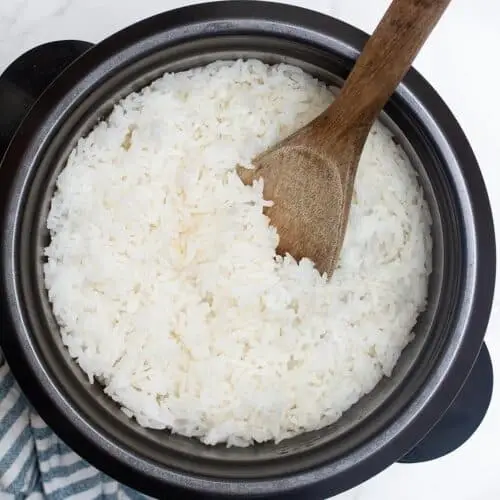
Glutinous rice varieties exhibit a wide range of flavors, textures, and cooking properties that reflect the diverse culinary traditions and regional preferences of different cultures. From the sticky and chewy mochi rice of Japan to the fragrant and aromatic jasmine rice of Thailand, each variety offers a distinct sensory experience that enhances the taste and texture of traditional dishes.
In China, glutinous rice is known as “sticky rice” and is a staple ingredient in many savory and sweet recipes, such as zongzi (sticky rice dumplings) and nian gao (New Year cake). Chinese glutinous rice varieties like pearl rice and black glutinous rice are prized for their unique colors and flavors, adding depth and richness to a wide range of dishes.
Cooking Techniques and Culinary Uses
The cooking techniques and culinary uses of glutinous rice vary across different cultures and cuisines, showcasing the versatility and adaptability of this ancient grain. In Korea, glutinous rice is often steamed and pounded to make tteok (rice cakes) or fermented to produce makgeolli (rice wine), while in Indonesia, glutinous rice is ground into flour and used to make traditional desserts like lupis and cenil.
In the Philippines, glutinous rice is transformed into suman (rice cakes wrapped in banana leaves) or biko (sweet rice cake) for special occasions and celebrations. The sticky and chewy texture of glutinous rice lends itself well to both sweet and savory dishes, making it a versatile ingredient that can be used in a wide range of culinary applications.
Nutritional Value and Health Benefits
Despite its name, glutinous rice does not contain gluten and is safe for individuals with celiac disease or gluten intolerance. It is a rich source of carbohydrates, fiber, and essential nutrients such as iron, magnesium, and B vitamins, making it a nutritious and filling grain that provides sustained energy and promotes digestive health.
Glutinous rice is also low in fat and cholesterol, making it a heart-healthy choice for individuals looking to maintain a balanced diet and reduce their risk of chronic diseases. Its slow-digesting properties help regulate blood sugar levels and keep you feeling full longer, making it an ideal choice for managing weight and promoting overall well-being.
| Glutinous Rice Variety | Origin | Characteristics |
|---|---|---|
| Japanese Mochi Rice | Japan | Sticky and chewy texture, used in traditional mochi desserts |
| Thai Jasmine Rice | Thailand | Fragrant aroma, long-grain variety, popular in Southeast Asian cuisine |
| Chinese Pearl Rice | China | Small and round grains, sticky when cooked, versatile in savory and sweet dishes |
| Korean Sweet Rice | Korea | Short-grain variety, used in tteok and makgeolli production |
| Indonesian Glutinous Rice | Indonesia | Ground into flour for desserts, sticky and chewy texture |
The Future of Glutinous Rice: Exploring Emerging Trends and Innovations

Sustainable Farming Practices
In response to growing concerns about climate change and environmental degradation, the future of glutinous rice cultivation lies in sustainable farming practices that prioritize soil health, water conservation, and biodiversity. By adopting agroecological principles and organic farming methods, farmers can reduce their carbon footprint, minimize chemical inputs, and enhance the resilience of rice paddies to climate variability.
Agroforestry systems that integrate rice cultivation with tree planting and biodiversity conservation offer a promising solution to the challenges of modern agriculture, providing multiple benefits such as improved soil fertility, enhanced water retention, and increased carbon sequestration. By restoring natural ecosystems and promoting ecological balance, farmers can create a more sustainable and regenerative model of glutinous rice production that supports both people and the planet.
Technological Innovations and Digital Solutions
Advancements in agricultural technology and digital solutions are revolutionizing the way glutinous rice is grown, harvested, and processed, leading to increased efficiency, productivity, and quality in the supply chain. From precision farming tools and smart irrigation systems to blockchain traceability and e-commerce platforms, technology is reshaping the future of rice production and distribution, creating new opportunities for farmers, producers, and consumers alike.
By harnessing the power of data analytics, artificial intelligence, and remote sensing technologies, stakeholders can optimize resource management, monitor crop health, and track market trends in real time, enabling them to make informed decisions and drive innovation in the glutinous rice industry. Digital platforms that connect farmers directly with consumers, such as online marketplaces and farm-to-table initiatives, are empowering small-scale producers and promoting transparency and traceability in the food system.
Culinary Trends and Global Influence
As global tastes and preferences evolve, the future of glutinous rice lies in its ability to adapt to changing consumer demands and culinary trends, both locally and internationally. Chefs and food enthusiasts are increasingly exploring the creative potential of glutinous rice in fusion cuisine, plant-based alternatives, and innovative product development, showcasing its versatility and appeal to a diverse audience.
From glutinous rice-based snacks and beverages to gourmet desserts and savory dishes, the possibilities for incorporating glutinous rice into modern gastronomy are endless. By embracing cultural diversity, culinary creativity, and sustainability in their practices, chefs and food entrepreneurs can shape the future of glutinous rice as a cherished and celebrated ingredient that transcends borders and unites people around the world in the joy of good food and shared experiences.
Conclusion
In conclusion, glutinous rice holds a special place in the hearts and minds of people around the world, symbolizing abundance, prosperity, and tradition in a myriad of cultural contexts. From its humble origins in the paddy fields to its modern applications in haute cuisine and health products, glutinous rice continues to captivate and inspire us with its rich history, culinary versatility, and nutritional value.
As we look to the future of glutinous rice, we see a world of possibilities and innovations that promise to shape the way we cultivate, consume, and appreciate this ancient grain. By honoring its cultural significance, embracing culinary creativity, and promoting sustainable practices, we can ensure that glutinous rice remains a symbol of unity, generosity, and shared prosperity for generations to come.
In the act of sharing a common meal made with glutinous rice, we celebrate not just the food itself, but the connections and memories it creates, the stories and traditions it embodies, and the hope and abundance it represents. So let us gather around the table, break bread together, and savor the simple joys of life that glutinous rice brings, knowing that in each grain lies a story waiting to be told and a moment waiting to be shared.
 Agricultural
 Fruit Wine
 Dried Food
 Rice
Rice