
Blog
Nutritional Value of Jasmine Rice


Jasmine rice is a fragrant and aromatic variety of long-grain rice that is popular in Southeast Asian cuisine. Known for its delicate floral aroma and soft, slightly sticky texture, jasmine rice is a versatile ingredient that can be used in a wide range of dishes. In this comprehensive guide, we will explore the health benefits of jasmine rice, cooking tips, nutritional value, different varieties, recipes to try, history and origin, comparison with basmati rice, where to buy authentic jasmine rice, its gluten-free nature, cultural significance, and more.
Health Benefits of Jasmine Rice
Digestive Health
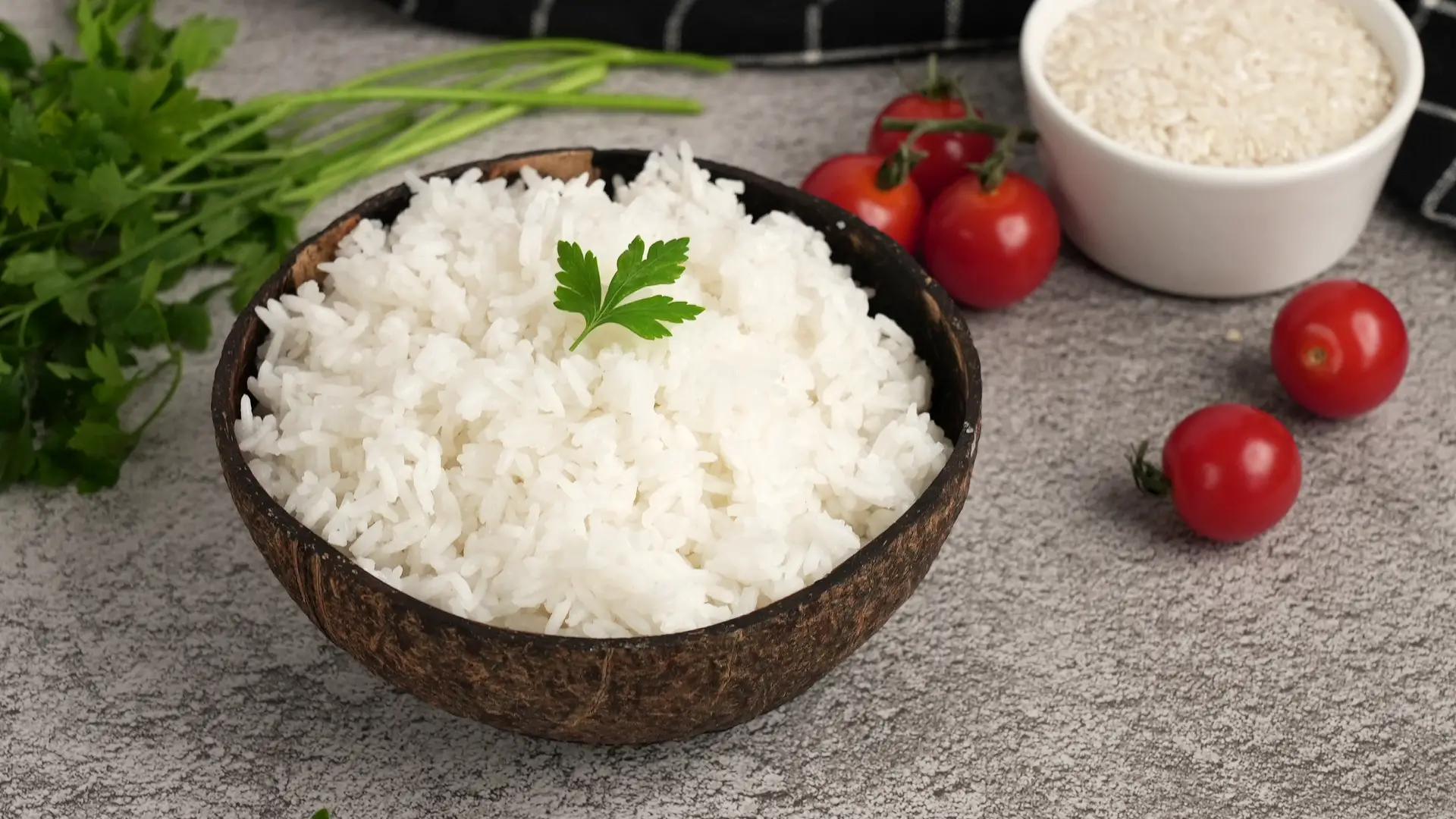
Jasmine rice is a good source of dietary fiber, which is essential for maintaining a healthy digestive system. Fiber helps regulate bowel movements, prevents constipation, and promotes overall gut health. By including jasmine rice in your diet, you can improve digestion and reduce the risk of gastrointestinal issues.
Energy Boost
As a complex carbohydrate, jasmine rice provides a steady and sustained release of energy. This makes it an ideal choice for athletes, active individuals, and anyone looking to maintain consistent energy levels throughout the day. Unlike simple carbohydrates that cause spikes and crashes in blood sugar, jasmine rice offers a more stable source of fuel for the body.
Weight Management
Despite its reputation as a starchy food, jasmine rice can actually support weight management when consumed in moderation. Its high fiber content helps you feel full and satisfied, reducing the likelihood of overeating. Additionally, jasmine rice has a low glycemic index, which means it does not cause rapid spikes in blood sugar levels that can lead to cravings and weight gain.
Cooking Tips for Jasmine Rice
Proper Washing Technique
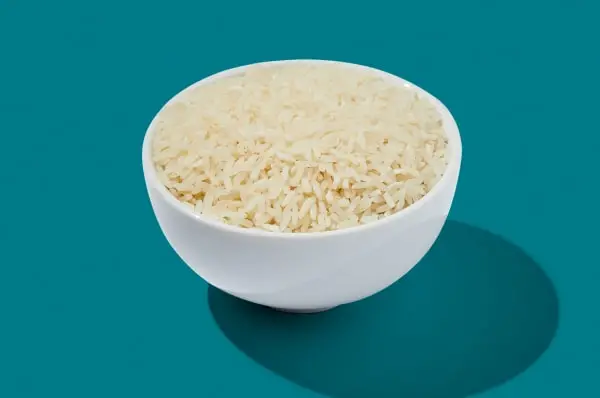
Before cooking jasmine rice, it is important to rinse it thoroughly to remove excess starch and impurities. Place the rice in a fine-mesh strainer and rinse under cold water until the water runs clear. This step helps prevent the rice from becoming too sticky during cooking.
Ideal Water-to-Rice Ratio
For fluffy and perfectly cooked jasmine rice, use a water-to-rice ratio of 1:1.5. This means that for every cup of rice, add 1.5 cups of water. Bring the water to a boil, then reduce the heat to low, cover the pot, and let the rice simmer for about 15-20 minutes. Avoid lifting the lid during cooking to ensure even steaming.
Fluffing and Resting
Once the jasmine rice is cooked, fluff it gently with a fork to separate the grains and release excess steam. Allow the rice to rest for a few minutes before serving to let it finish steaming off the heat. This resting period helps improve the texture and ensures that the rice is light and fluffy.
Nutritional Value of Jasmine Rice
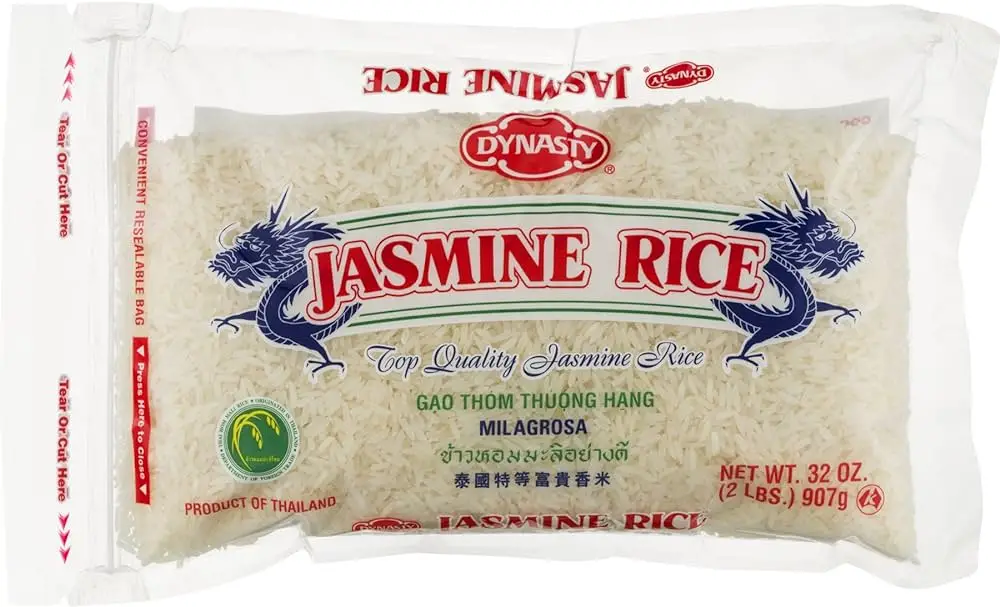
Jasmine rice is not only prized for its aroma and flavor but also for its nutritional profile. Here is a breakdown of the key nutrients found in jasmine rice:
| Nutrient | Amount per 1 cup (cooked) |
|---|---|
| Calories | 205 |
| Carbohydrates | 45 grams |
| Protein | 4 grams |
| Fat | 0 grams |
| Fiber | 1 gram |
| Iron | 2% of the Daily Value (DV) |
| Magnesium | 5% of the DV |
| Vitamin B6 | 15% of the DV |
Jasmine rice is naturally gluten-free, making it a safe and delicious option for individuals with gluten sensitivities or celiac disease. It is also low in fat and cholesterol, making it a heart-healthy choice for those looking to improve their cardiovascular health.
Different Varieties of Jasmine Rice
Thai Jasmine Rice
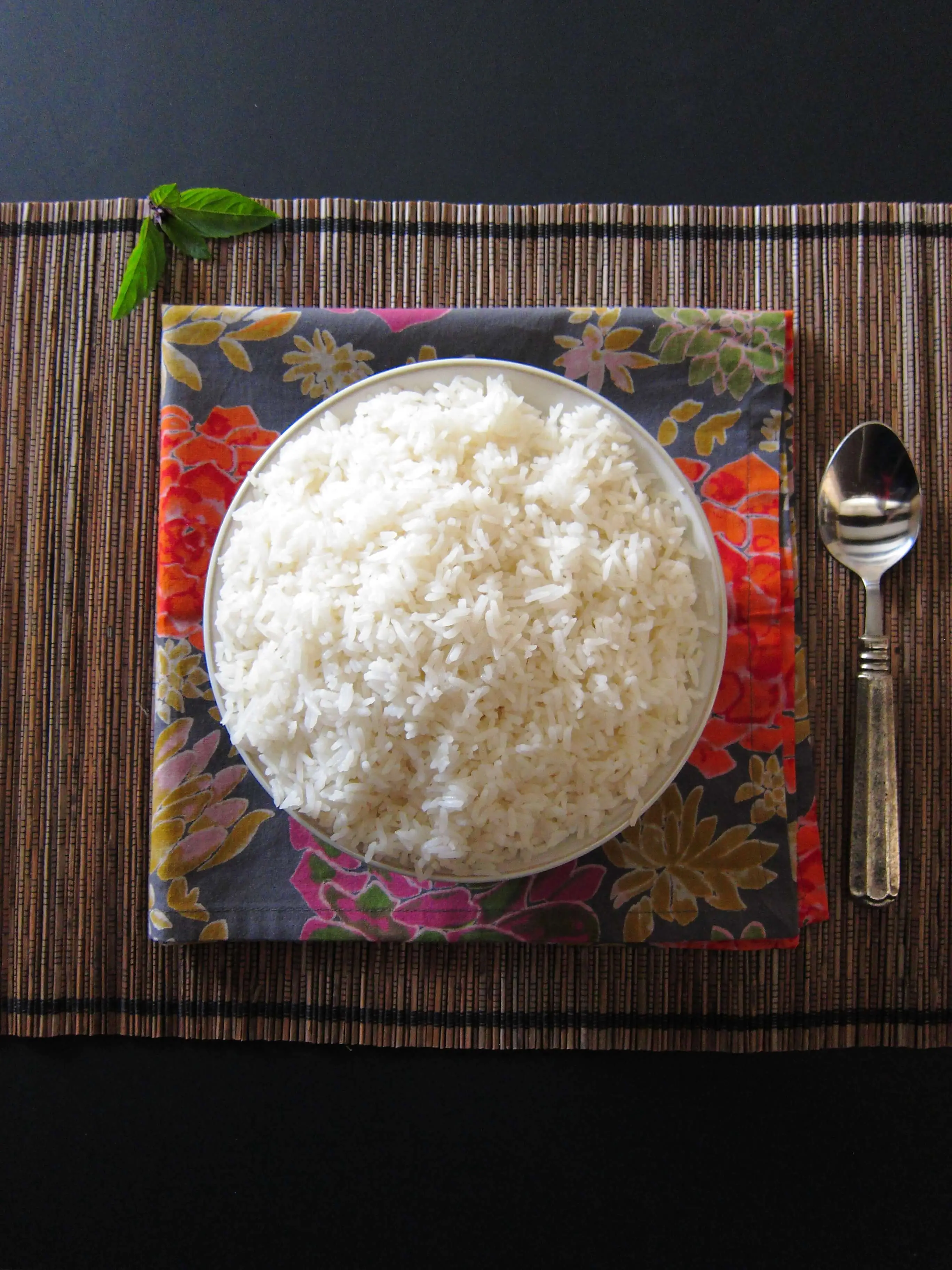
Also known as Hom Mali rice, Thai jasmine rice is one of the most popular varieties of jasmine rice. It is grown primarily in Thailand and is characterized by its fragrant aroma and slightly sticky texture when cooked. Thai jasmine rice pairs well with a wide range of dishes and is a staple in Thai cuisine.
Basmati Jasmine Rice
A hybrid variety of jasmine rice, basmati jasmine rice combines the aromatic qualities of jasmine rice with the slender grains of basmati rice. This unique blend offers a delicate fragrance and a fluffy texture that is perfect for pilafs, biryanis, and other rice-based dishes. Basmati jasmine rice is commonly used in Indian and Middle Eastern cuisines.
Brown Jasmine Rice
Brown jasmine rice is a whole grain variety that retains the bran and germ layers, giving it a nutty flavor and chewy texture. It is higher in fiber, vitamins, and minerals compared to white jasmine rice, making it a nutritious choice for those looking to boost their intake of whole grains. Brown jasmine rice works well in salads, stir-fries, and side dishes.
Jasmine Rice Recipes to Try
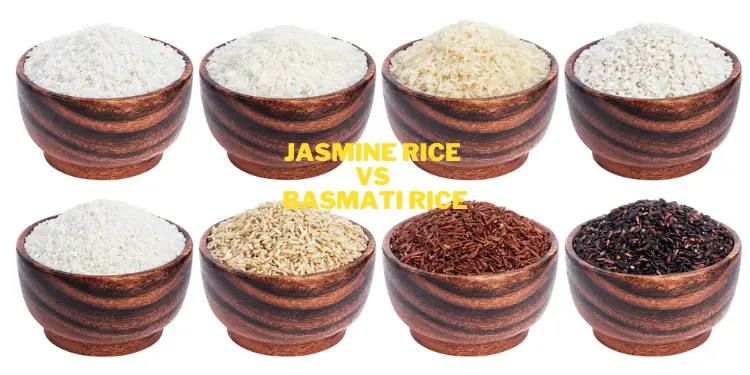
Coconut Jasmine Rice
- Ingredients:
- 1 cup jasmine rice
- 1 cup coconut milk
- 1 cup water
- 1/2 teaspoon salt
- Fresh cilantro for garnish
- Instructions:
- In a saucepan, combine the jasmine rice, coconut milk, water, and salt.
- Bring the mixture to a boil, then reduce the heat to low and cover the pan.
- Simmer for 15-20 minutes until the rice is tender and the liquid is absorbed.
- Fluff the rice with a fork and garnish with fresh cilantro before serving.
Shrimp Fried Jasmine Rice
- Ingredients:
- 2 cups cooked jasmine rice
- 1/2 pound shrimp, peeled and deveined
- 1 cup mixed vegetables (peas, carrots, bell peppers)
- 2 eggs, beaten
- 2 tablespoons soy sauce
- 1 tablespoon sesame oil
- Instructions:
- Heat a wok or large skillet over high heat and add sesame oil.
- Add the shrimp and cook until pink, then remove from the pan.
- Stir-fry the mixed vegetables until tender-crisp, then push them to the side.
- Pour the beaten eggs into the empty space and scramble until cooked.
- Add the cooked jasmine rice, shrimp, and soy sauce, and toss to combine.
- Serve hot with additional soy sauce on the side.
History and Origin of Jasmine Rice
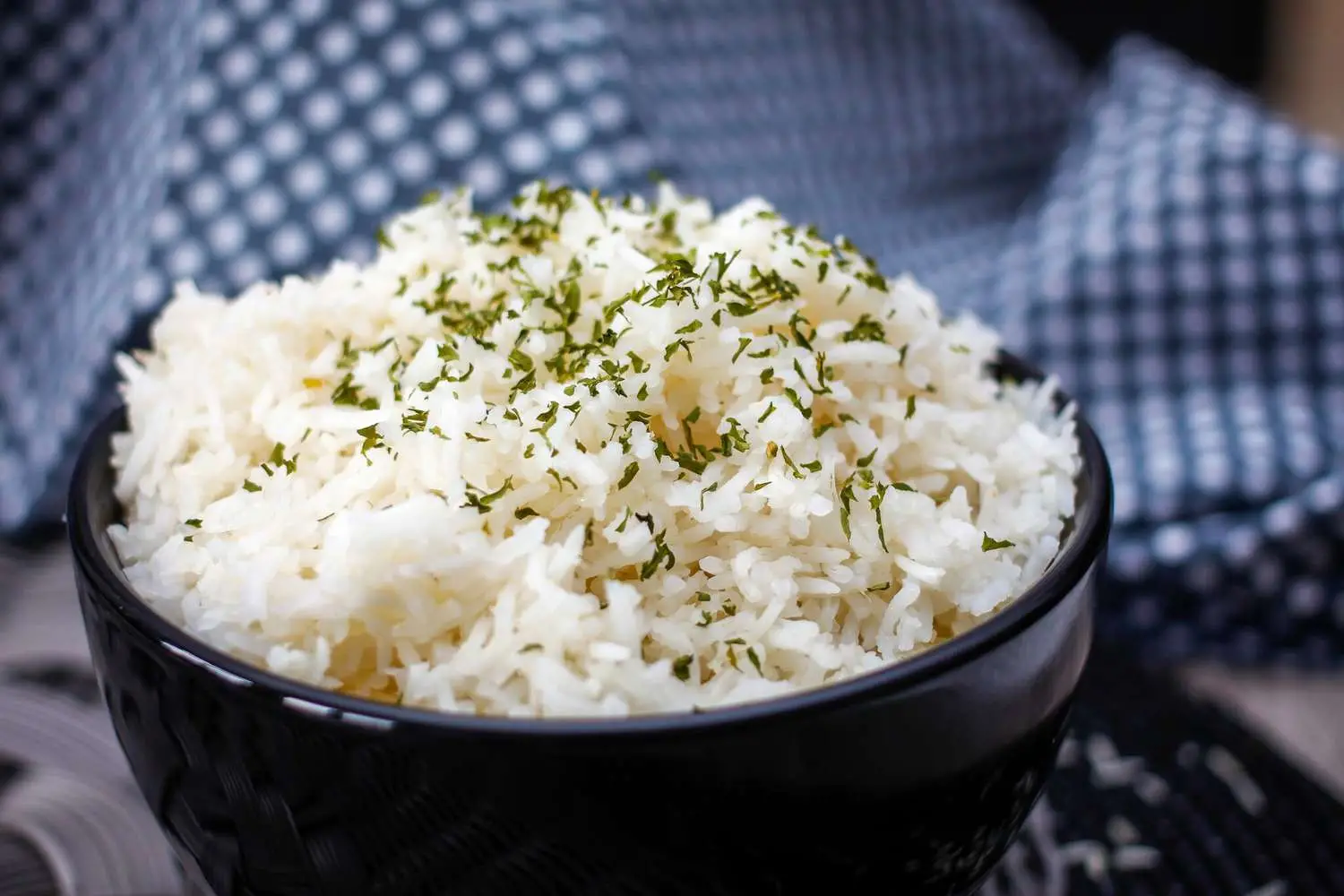
Jasmine rice has a long and storied history that dates back centuries in Southeast Asia. Originally cultivated in Thailand, jasmine rice was favored by royalty and nobility for its exquisite fragrance and superior quality. The name “jasmine rice” comes from the jasmine flower, as the rice is said to have a similar sweet and floral aroma when cooked.
Over time, jasmine rice spread to other countries in the region, including Cambodia, Laos, and Vietnam, where it became a staple food crop. Today, jasmine rice is enjoyed worldwide for its unique taste and versatility in various cuisines. Its cultivation and production continue to be a vital part of the agricultural economy in many Southeast Asian countries.
Jasmine Rice vs. Basmati Rice: A Comparison
Aroma and Flavor
Jasmine rice is known for its subtle floral aroma and slightly sweet flavor, while basmati rice has a more pronounced nutty fragrance and a firmer, drier texture. Both varieties offer distinct taste profiles that complement different types of dishes.
Grain Length and Texture
Jasmine rice typically has a shorter grain length and a softer, stickier texture when cooked, making it ideal for dishes like sushi, stir-fries, and rice pudding. Basmati rice, on the other hand, has longer, slender grains that remain separate and fluffy after cooking, making it a popular choice for pilafs, biryanis, and curries.
Culinary Uses
Jasmine rice is commonly used in Southeast Asian cuisine, particularly Thai and Vietnamese dishes, where its delicate aroma enhances the overall flavor of the meal. Basmati rice is a staple in Indian and Middle Eastern cuisines, where its aromatic qualities and firm texture make it well-suited for spicy curries and meat dishes.
Where to Buy Authentic Jasmine Rice
When shopping for jasmine rice, it is important to look for authentic and high-quality products to ensure the best flavor and aroma. Here are some tips on where to buy authentic jasmine rice:
- Asian Grocery Stores: Visit your local Asian grocery store or market to find a wide selection of jasmine rice brands from Thailand, Cambodia, and other producing countries. Look for reputable brands that specialize in premium rice varieties.
- Online Retailers: Many online retailers offer a variety of jasmine rice options, including organic, heirloom, and specialty blends. Read customer reviews and product descriptions to choose a trusted supplier with a track record of quality.
- Direct from Producers: Some rice producers and cooperatives sell jasmine rice directly to consumers through their websites or farmer’s markets. Buying directly from the source can ensure freshness and authenticity.
- Specialty Food Stores: Specialty food stores and gourmet markets may carry imported jasmine rice from renowned producers. Check the rice aisle or international foods section for premium selections.
By purchasing authentic jasmine rice from reputable sources, you can enjoy the true taste and aroma of this beloved rice variety in your favorite dishes.
Jasmine Rice: Gluten-Free Alternative
One of the key advantages of jasmine rice is its gluten-free nature, making it a safe and versatile option for individuals with gluten sensitivities or celiac disease. Gluten is a protein found in wheat, barley, and rye that can trigger adverse reactions in some people, leading to digestive discomfort and other health issues.
By choosing jasmine rice as a gluten-free alternative to wheat-based grains, individuals can still enjoy a wide range of delicious and nutritious meals without compromising on taste or texture. Whether used in stir-fries, soups, salads, or desserts, jasmine rice provides a satisfying and flavorful base for a variety of culinary creations.
Cultural Significance of Jasmine Rice
In many Southeast Asian cultures, jasmine rice holds deep cultural significance and plays a central role in traditional ceremonies, rituals, and celebrations. Here are some ways in which jasmine rice is revered in different cultures:
- Thailand: In Thailand, jasmine rice is considered the national rice variety and is often referred to as “Khao Hom Mali,” which translates to “fragrant rice.” It is a symbol of prosperity, fertility, and hospitality and is commonly offered as a gift or token of goodwill.
- Vietnam: Jasmine rice is a staple food in Vietnamese cuisine, where it is served alongside savory dishes such as grilled meats, stir-fries, and soups. It is also used in traditional desserts and sweet treats, showcasing its versatility in both savory and sweet applications.
- Cambodia: Cambodian cuisine features jasmine rice as a fundamental component of everyday meals, special occasions, and religious ceremonies. It is a symbol of abundance and purity and is often shared among family and friends as a gesture of unity and generosity.
- Laos: In Laos, jasmine rice is cherished for its fragrance and flavor, which enhance the enjoyment of traditional Lao dishes. It is a source of pride and identity for the Lao people, reflecting their rich agricultural heritage and culinary traditions.
By recognizing the cultural significance of jasmine rice in various societies, we can appreciate its role not only as a food staple but also as a symbol of heritage, community, and shared values.
Conclusion About Nutritional Value of Jasmine Rice
Jasmine rice is more than just a culinary ingredient—it is a symbol of tradition, flavor, and nourishment that has been cherished for generations. From its health benefits and cooking tips to its rich history and cultural significance, jasmine rice offers a wealth of reasons to incorporate it into your diet and culinary repertoire.
Whether you enjoy it in a fragrant coconut rice dish, a hearty shrimp fried rice recipe, or a simple side of steamed jasmine rice, this versatile grain is sure to delight your taste buds and provide a nutritious foundation for a balanced diet. By exploring the diverse varieties, recipes, and cultural contexts of jasmine rice, you can deepen your appreciation for this beloved staple and savor its timeless appeal in every bite.
 Agricultural
 Fruit Wine
 Dried Food
 Rice
Rice